For Raoul Martin, glass art is not an object to be admired from a distance. His vision of glass is quite the opposite: a glass should be filled with wine, a vase should hold flowers, and a decanter should be part of everyday life. In his work, the focus is not on the art object itself, but on the experience it creates.
According to Martin, glass only acquires real meaning when it is used. His designs are therefore not only aesthetic but are primarily created to bring a table setting to life.
The power of color and emotion
Color is a fundamental element in Raoul Martin’s designs. His collections are inspired by Mediterranean landscapes, Italian regions, and personal memories. He translates these influences into warm shades of yellow, deep blues, vibrant reds, and lively color combinations that instantly evoke a particular atmosphere.
For Martin, color goes beyond decoration. It is an emotion, a memory, and a story. The colors in his glassware refer to sun-drenched coastlines, rolling mountain landscapes, clear waters, and the relaxed lifestyle of Southern Europe.
Moving away from perfection and symmetry
While modern table settings are often sleek, minimalist, and symmetrical, Raoul Martin consciously chooses a different approach. He believes that a table should have character and even a sense of movement.
His robust glasses, decanters, candlesticks, and ceramic objects are designed to form a vibrant ensemble. Varying heights, shapes, and textures create movement and dynamism. According to Martin, it is precisely this playful imperfection that makes a table inviting and personal.
Feminine forms in glass
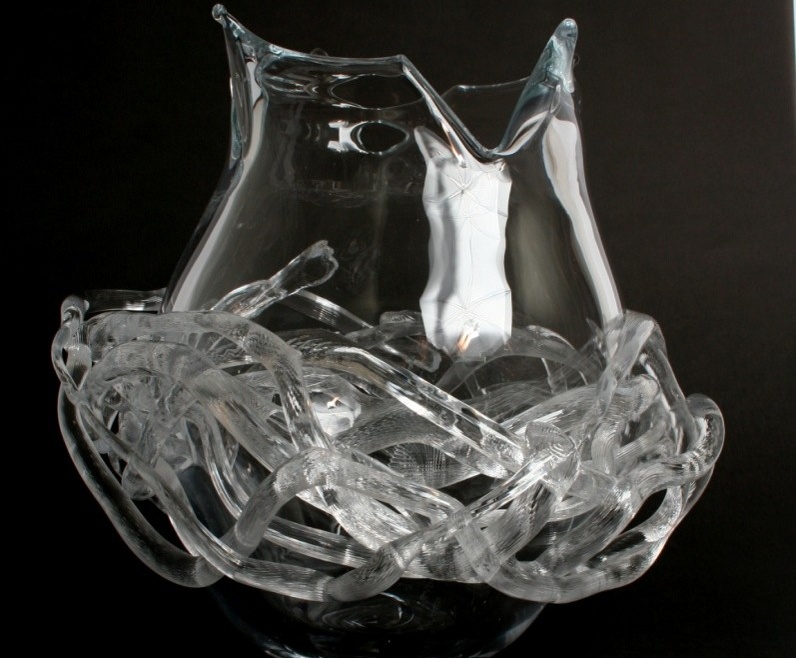
A recurring theme in Martin’s work is his search for feminine and organic forms. His designs are characterized by flowing lines, soft curves, and natural movement. Rather than being guided by trends or technical perfection, he follows feeling and intuition.
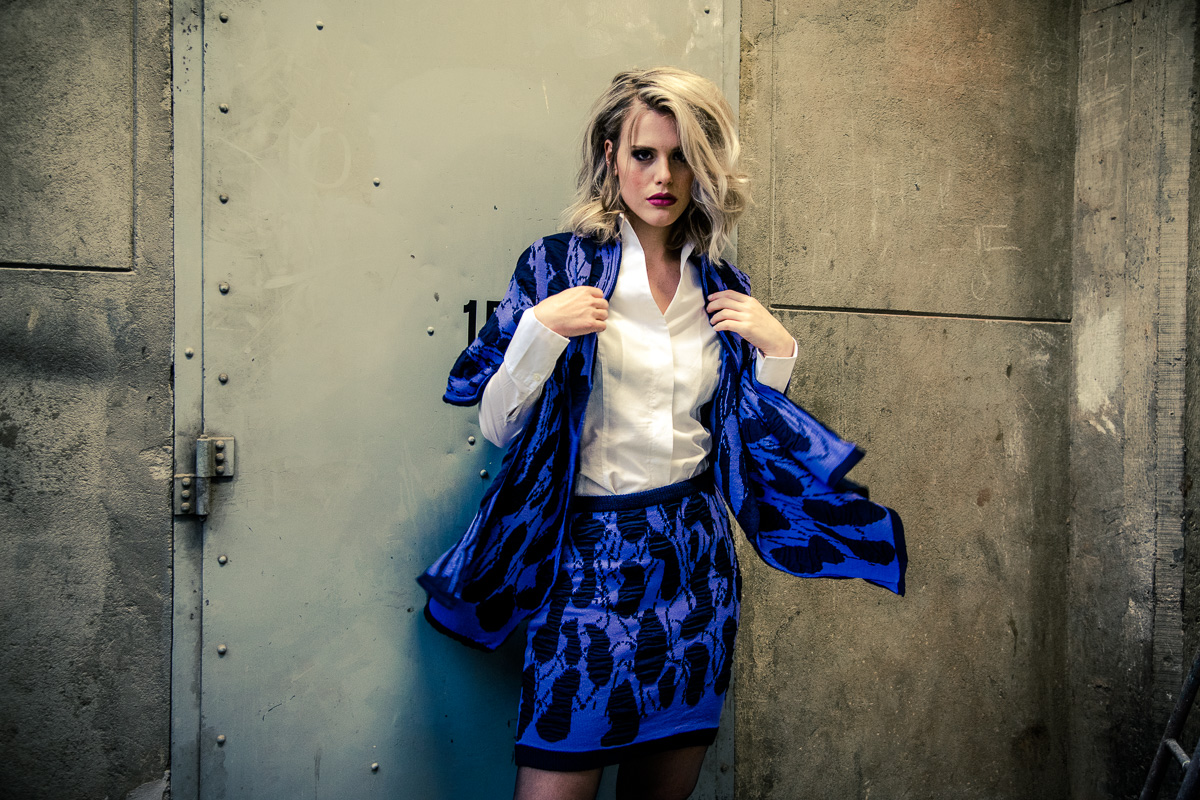
This approach originates from his background as a fashion designer, textile designer, and stylist. While others design clothing, Martin translates his sense of form and elegance into glass and ceramics.
A story behind every design
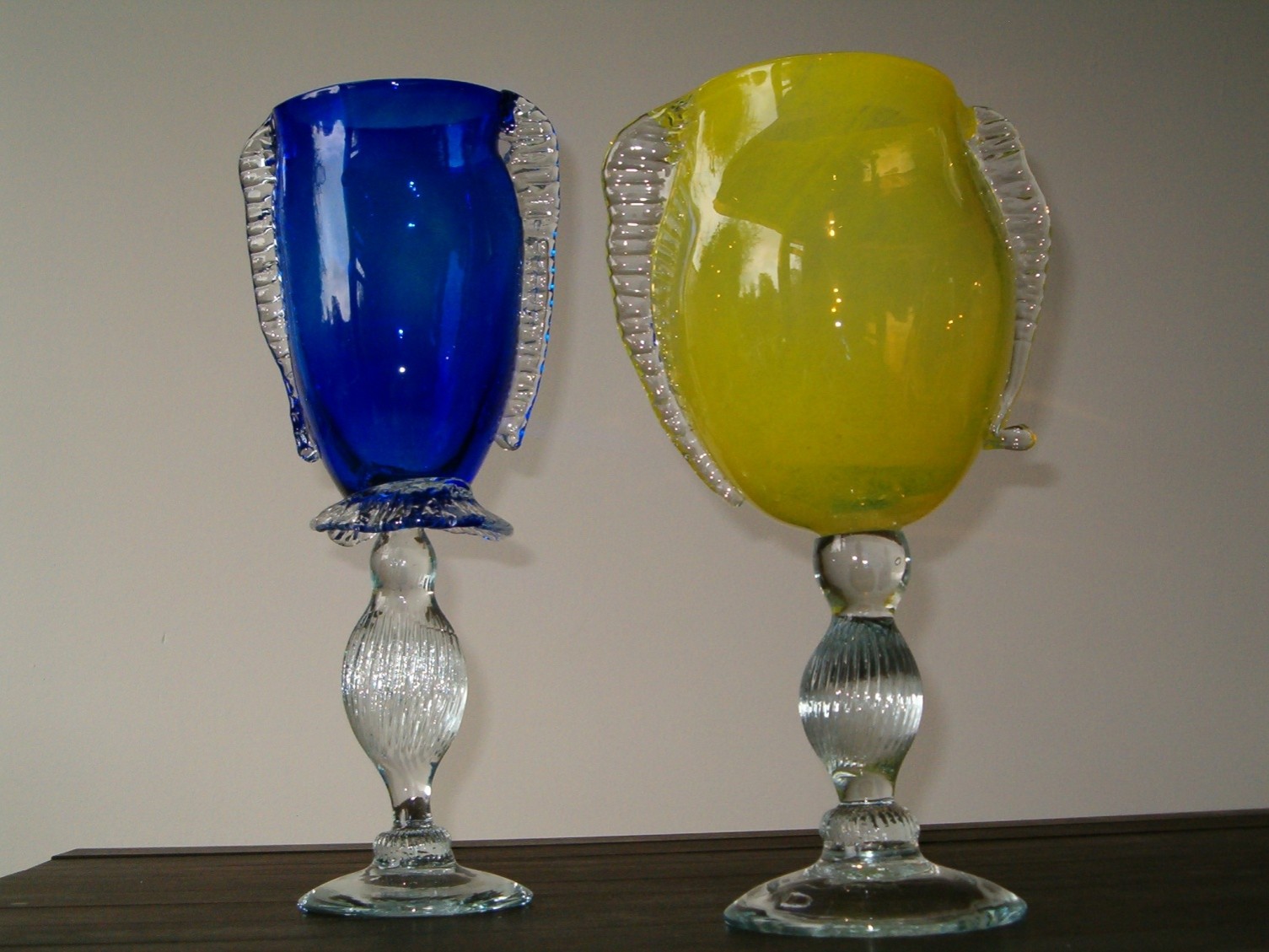
Many of Martin’s creations bear names that refer to places, people, or stories. In this way, his objects acquire their own identity. His collections are not merely functional objects but carriers of atmosphere and imagination.
In some series, he goes even further. Entire worlds emerge around the designs, inspired by fairy tales, Italian romance, and historical narratives. Glasses, decanters, and candlesticks become characters within a larger story.
Craftsmanship as collaboration
Although Martin creates the designs himself, he sees glass art as a collaboration between designer and artisan. His ideas are brought to life by skilled glassblowers who understand his vision and are able to translate it into crystal.
For Martin, this process is essential. A design begins with emotion, but it only truly takes shape through the craftsmanship of the glassblower. It is in this collaboration that creativity and technique come together.
Glass art that tells a story
Raoul Martin’s vision demonstrates that glass art can be much more than a decorative object. His work revolves around atmosphere, functionality, emotion, and imagination. Each piece tells a story and invites people to make it part of their everyday lives.
According to Martin, a glass does not belong in a display cabinet. It should ring during a dinner gathering, be filled with wine, and become part of cherished memories. Perhaps that is the essence of his vision of glass art: beauty only truly comes to life when it is experienced.